The Bear and the Piano by David Litchfield has become one of the most beloved modern picture books for children. The story combines music, friendship, ambition, and belonging in a way that resonates with both young readers and adults. While exploring resources related to the book, I had the opportunity to learn more about a unique project created by children’s songwriter Annie Lynn—a theme song inspired by The Bear and the Piano. Along the way, I also discovered how music can strengthen reading engagement, comprehension, and memory for young children. If you’re a parent, teacher, librarian, homeschool educator, or simply a fan of The Bear and the Piano, this guide explores the book, the music, and why combining stories with songs can create a richer reading experience.
When you buy through my links, I may earn money from my affiliate partners. Learn more.
Who Is Annie Lynn?
Annie Lynn, President and Chief Composer at AnnieBirdd Music, LLC, began writing songs at age 14. That same year, she debuted her nature song, Listen, on CBS.
Singer songwriter Annie went on to receive 14 international awards for her work in bullying prevention, tolerance and acceptance of others, identity and self, determination and motivation, going to a new school, and nature conservation.
Annie’s music has been featured on national radio, podcasts, cable and network television, educational resources, teacher guides, book trailers, and community events.
What Is The Bear and The Piano About?
The Bear and the Piano follows a young bear who discovers a mysterious piano deep in the forest.
As he learns to play, his talent eventually takes him far from home and into the spotlight. Along the way, he must balance success, friendship, and the pull of the place where he truly belongs.
Written and illustrated by David Litchfield, the story combines beautiful artwork with themes of perseverance, creativity, family, and gratitude.
The book has become a favorite among parents, teachers, and librarians because it sparks conversations about following dreams while remembering what matters most.
The Bear and the Piano Trilogy
David Litchfield is the author and illustrator behind the internationally acclaimed The Bear and the Piano trilogy. The first book sold more than 120,000 copies in the United Kingdom and won the Waterstones Children’s Book Prize for Best Illustrated Book in 2016.
Litchfield continued the story in The Bear, the Piano, the Dog, and the Fiddle (2019), which expands the musical world established in the original book. The trilogy concludes with Bear, the Piano and Little Bear’s Concert (2020), a heartwarming finale that explores family, legacy, and the joy of sharing music across generations.
Because music plays such a central role throughout the series, it felt like a natural fit when Annie Lynn and David Litchfield connected to create a theme song celebrating the trilogy.
Why Music and Reading Work So Well Together
Did you know musical experiences during a child’s development can accelerate brain development? It’s true!
Hearing music activates a cascade of neural responses throughout the brain. In fact, babies often sway to music and lyrical tone before they ever understand the words. You can visualize all the electric impulses going off in their minds as they connect songs to a sense of joy and pleasure.
Even in adults, a key to memorizing (and learning) information, is to engage with it in multiple forms. If we read something, write it down, and hear it, the likelihood and benefit of the content sticking is far greater.
How can we expect kids to be any different? If anything, kids are more impacted by engaging content in a variety of senses.
It’s unfortunate that many educational programs engage fewer senses than they could. Think of how much better kids could learn a topic if we gave them every opportunity possible for it to stick!
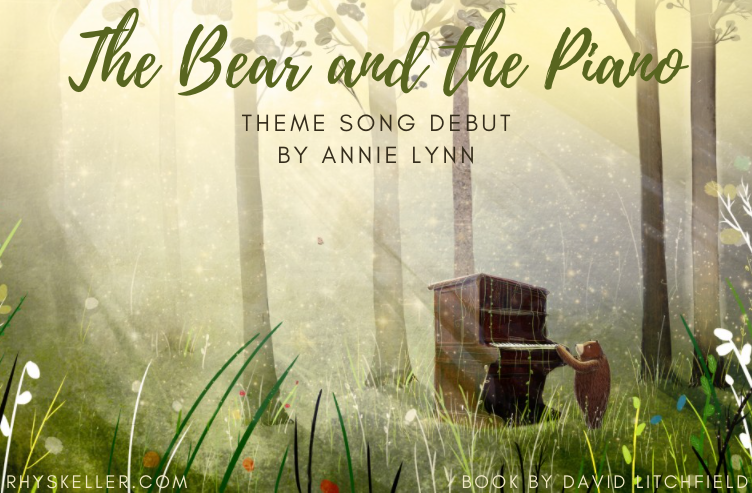
And that brings us back around to The Bear and the Piano theme song debut by Annie Lynn via Soundcloud.
David and Annie have graciously decided to let the song be downloaded for FREE for non-commercial use by teachers librarians, students, bookstores and homeschooling families. How cool is that!?
Reading Activities for The Bear and the Piano
One reason The Bear and the Piano remains so popular in classrooms and homes is that it naturally encourages discussion and creative activities. Here are a few simple ways to extend the story after reading:
Write a Song for a Favorite Character
Ask children to imagine what kind of song Bear, Little Bear, or another character might create. The lyrics don’t need to be complicated. Even a simple chorus can help children connect with the story and express creativity.
Discuss Dreams and Goals
Bear follows a dream that eventually takes him far from home. Ask children what goals they hope to accomplish someday and what steps they might take to achieve them. This can lead to meaningful conversations about perseverance and hard work.
Talk About Friendship and Family
One of the strongest themes in the trilogy is maintaining important relationships while pursuing personal success. Ask children how Bear’s friendships changed throughout the story and what lessons they learned about loyalty, kindness, and belonging.
Listen to Music Together
After reading, listen to different styles of music and discuss how each piece makes you feel. Does the music sound joyful, exciting, peaceful, or sad? This activity helps children make connections between storytelling and emotional expression through music.
Design a Concert Poster
Invite children to create a concert poster advertising one of Bear’s performances. They can include artwork, concert details, and even invent song titles. This combines reading comprehension with art and imagination.
These simple activities encourage children to think more deeply about the story while strengthening creativity, communication, and critical thinking skills.
How Music Enhances Storytelling
Theme songs, or more widely referred to as theme music and less often referred to as signature songs, was originally developed to provide the audience with a cue for their mood while experiencing the event.
Theme songs later evolved into memorable tunes or lyrical songs that provides a sense of association between the audience and the material. Once you heard the theme song, you knew exactly what to expect or felt “in the zone” for what you were watching.
Music does more than engage the sense of hearing.
“Research has shown that music may influence central physiological variables like blood pressure, heart rate, respiration, EEG measurements, body temperature and galvanic skin response. Music influences immune and endocrine function.” – A. Myskja & M. Lindbaek
Music can be compared to food. When you take a bite of your favorite pie, the kind of pie that you push your fork or spoon into slowly, raise it curiously closer to your face, see it in all the splendid detail, and slowly envelope around it with flashes of memories from childhood or feelings of Fall, you are in essence engaging far more senses than just taste.
Music is like that. You don’t simply hear music. You feel it. You think it. You are affected by it.
The same reason is why TV shows, radio broadcasts, and blockbuster movies use theme songs. Theme songs can teleport us closer to the medium.
Book theme songs, like the fabulous songs Annie Lynn creates, is a way to draw closer to the story. It’s a way to enhance the story. A way to engage more than just the sense of hearing or the sense of vision.
Being able to embrace the story along with the music is a captivating way to engage children.
Be THAT person who enriches life for little ones. Don’t just settle into the status quo. Consider implementing book theme songs in your sphere of influence and, if you are a book creator, consider reaching out to Annie Lynn today so you can debut a book song too!
Learn More About Annie Lynn
If you’re interested in children’s music, literacy programs, or creative ways to bring stories to life through song, Annie Lynn continues to create educational and book-inspired music projects for families, schools, libraries, and homeschool communities.
Annie also created a theme song inspired by Zombies Don’t Eat Veggies! by Megan and Jorge Lacera, another children’s book that encourages positive habits through engaging storytelling.
You can follow Annie Lynn on X at @AnnieLynn215 to learn more about her music and educational projects.
Final Thoughts
The Bear and the Piano remains one of the most memorable modern picture books because it combines beautiful illustrations, meaningful themes, and a story that resonates with children and adults alike. Whether you’re reading the trilogy at home, sharing it in a classroom, or exploring Annie Lynn’s creative theme song, the underlying message remains the same: our gifts are meant to be shared, but the relationships that support us along the way matter just as much.
If you’ve read The Bear and the Piano, I’d love to hear your thoughts. What was your favorite part of the story? Did your children connect most with the music, the friendship, or Bear’s journey?
And if you’re a parent, teacher, librarian, or homeschool educator, consider trying some of the reading and music activities above. Stories often become most meaningful when children have opportunities to discuss, create, sing, draw, and imagine alongside them.
If you enjoy children’s books, reading resources, and family-friendly educational content, consider subscribing so you don’t miss future articles, book guides, and literacy activities.
