Some friendships are worth the distance.
Not because they are easy to maintain, but because the people on the other side of that distance are worth the effort it takes to stay connected. Life gets bigger as we get older. Careers become more demanding, families grow, responsibilities multiply, and the people we once saw every week can suddenly live hundreds or thousands of miles away.
Long-distance friendships can survive all of that. But they rarely survive by accident.
Sometimes maintaining a meaningful friendship means making a phone call, sending a message, rearranging a schedule, or getting on an airplane when it would be easier to stay home. Sometimes it means simply deciding that a relationship is worth the inconvenience.
I was reminded of that this year when a childhood friend invited me on a trip to celebrate his 40th birthday. I almost said no.
Friendship Becomes Harder as Life Gets Bigger
In pursuit of a great life, many things compete for our attention, and long-distance friendships are only one of them.
Climbing the corporate ladder, building a business, and growing a team means responsibility and stress often follows you home after an already exhausting day.
A more established marriage usually includes regular routines and daily commitments that can have big consequences if neglected.
It’s said that children spell love T-I-M-E. The more engaged you are as a parent, the less time margin is available.
Once you add spiritual community groups, recreational activities, hobbies, and local friends, it’s perfectly understandable why long-distance friendships get overlooked.
Geography also plays a role.
As we establish ourselves, it becomes more difficult to just pack up and go visit someone.
Pets need care, the lawn needs maintenance, and the pool is bound to run out of chlorine.
Long-distance trips require careful planning that doesn’t always have an easy answer.
The responsibilities of a 40-year-old are very different from those of most 20-somethings.
Time, energy, and even mental capacity are in short supply.
Not because of any mistakes.
But simply because life gets bigger with age.
Some Friendships Survive Because Someone Keeps Showing Up
The key word here is “someone”.
Earlier this year, a friend I’ve known since Kindergarten showed up.
Not physically, but in a message.
He wanted to know if I would be open, available, or interested to plan a little trip later in the year.
A guys’ trip to celebrate his 40th birthday.
In this seemingly insignificant moment, he showed up by injecting life into a long-distance friendship.
What’s really interesting to me about showing up though is that it’s like passing a ball back and forth.
Or playing catch with someone.
My friend threw me the ball: an invitation to spend time together.
Now that I had the ball in my hands, what would I do with it?
Place it on the ground and walk away with a “No, sorry I can’t make it.”
Or throw it back with a “Count me in.”
When we stop showing up, friendship suffers.
It doesn’t mean the friendship dies right then and there of course.
But it means an opportunity to rekindle, reinvigorate, or grow closer has passed by.
And if we pass by too many of those opportunities, the friendship will gradually fade over time until it’s nothing more than a fleeting thought of what may have been.
Although it took me a while to sort out the details, eventually I saw the light and realized how important it was for me to make the trip happen.
And with any trip, it wasn’t convenient.
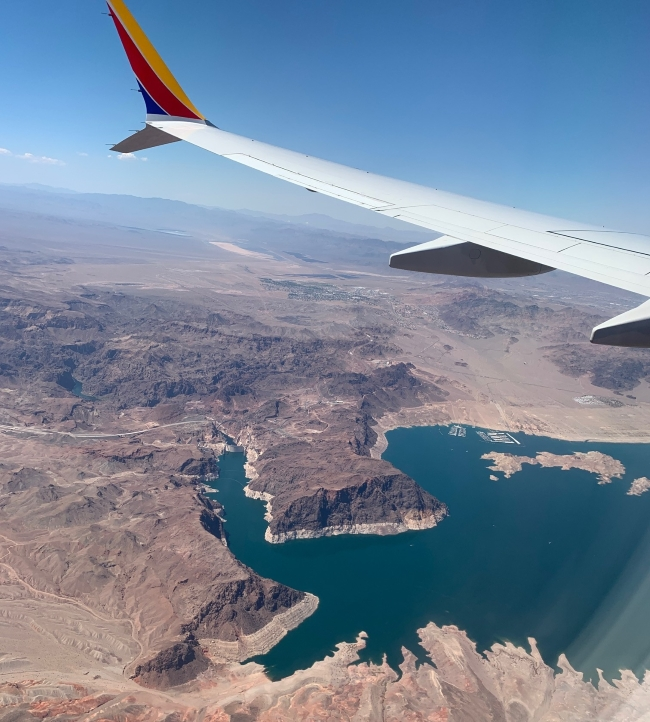
Family, work, hobbies, projects, pets, and money concerns had to be navigated.
One thing that really helped me commit to the trip though was looking back on previous times our friendship required showing up.
The same keys that helped my childhood friendship last were at play again, staring me down, waiting for an answer.
Thankfully, my friend showed up.
He didn’t assume I couldn’t make it.
He didn’t reject the idea before I had the opportunity to reject it.
He simply prioritized our friendship.
And even though he repeatedly offered me a way out because of family, work, distance, and cost, I’m so glad I decided to be someone who also shows up.
Distance Changes Friendship, But It Doesn’t Have to End It
Distance is like time.
It changes friendship.
When you’ve known someone for a really long time and then live far away from each other, it’s difficult to not see them as that same person you used to know.
With every passing moment and experience, people change.
Adult friendships evolve.
They’re complex.
Rich.
Nuanced.
Just because adults aren’t just a bigger version of their childhood selves doesn’t mean the friendship can’t be strong.
In fact, I’d argue that many childhood friendships are built more on proximity than intentional choice.
Half the time one of my kids plays with another kid they don’t even know their name.
But with adults, life happens.
Adults have almost all been through something serious with their health, finances, or family.
A friendship between people in their 40s might be dealing with aging parents, escaping the financial rat race, health complications, or personal growth.
When adults maintain a friendship, they are choosing each other.
All the good and all the bad that person is.
All the differences in beliefs, opinions, and lifestyle.
Distance brings a unique clarity to decision-making.
When you’re neighbors, it might be difficult to say no to coffee.
But when you’re 1,500 miles away?
Easy.
I might almost contend that investing in a long-distance friendship actually means more than a local one.
Because it takes some serious work.
Serious effort.
Thankfully, long-distance friendships don’t need the same things local ones require to thrive.
Can long-distance friendships last?
Absolutely. A long-distance friendship can last for decades, but it may look different from a friendship between people who live nearby. Distance requires more intentionality, flexibility, and willingness to show up when opportunities arise.
You Don’t Need Constant Contact
A friendship can withstand periods of low contact if the underlying relationship remains strong.
When you’re trying to maintain a long-distance friendship, time will pass quicker than you realize.
When located near each other, you may have gotten together weekly or spoken daily.
Then, someone moves away and you chat once a month.
Or six months flies by and you can’t remember the last time you spoke.
Distance between people lets life happen.
After a move someone might be busy starting a new job.
Or picking up a new hobby in middle-age.
One might be having kids while the other is building a business.
Constant contact is not the sign of a great friendship.
A great friendship can weather distance.
It can weather silence.
It can even weather a storm.
Nearly five years ago my long-distance friendship went through both silence and a storm.
Only afterwards did I realize how great a storm it was and that my friend nearly died from health complications.
The truth was difficult to accept: our distance and lack of communication led to me not even knowing what my friend was going through.
It was humbling because I thought I was holding up my side of the friendship.
Instead, I chose to listen and take responsibility for how I contributed to the lack of communication.
Remember, great friendships live underneath what you see.
Reconnecting after the health scare brought us closer.
It helped me prioritize showing up in their life with a text message, a phone call, and sometimes a visit.
The Cost of Maintaining a Friendship Is Sometimes the Point
Driving.
Flying.
Taking vacation time.
Rearranging schedules.
The inconvenience isn’t evidence that the friendship is failing.
Sometimes the inconvenience is evidence that you’re investing in it.
If anyone tells you maintaining a friendship is easy, they’ve probably got a book to sell you too.
The vast majority of people I’ve personally known would say friendship is tough.
As an adult, making new friends and sustaining old ones can almost feel like a full-time job.
Because of our other priorities, making time and space for a friend really means something.
Choosing someone means not choosing something else, like time to rest, time to recover, or time to get ahead on important tasks.
Showing up for someone that matters to you will cost you.

But doing anything important will cost you.
Fully owning a home often takes decades of payments and time maintaining it.
Raising a child will require just about all you’ve got.
Building a business from the ground up will push you past emotions you didn’t know you had.
All great things cost something.
The reason we trade our conveniences for friendship is because it’s worth the cost.
Old Friendships Give Us Something New Friendships Can’t
Old friendships contained a shared history.
They bring back memories, stories, and points of reflection.
Great friends have a common past. They know where we came from and remember the experiences that helped shape us.
The commonality gives us the ability to see how much both people have changed.
It’s exciting, in a way, to see both the past and the present side-by-side.
Our memory of someone, frozen in time, yet face-to-face with their evolved self.
Talking to old friends gives us a glimpse into both the past and the future at the same time.
We get to wrestle with how someone changed so much.
We celebrate the growth without having to re-live the time it takes to grow.
It’s like planting a seed, blinking, and staring up at a giant sequoia.
While we stare at the established tree in awe, our mind races back and forth to memories when it was just a sapling in Kindergarten…showing up with trading cards…asking to hang out.
Other times the past isn’t so glamorous.
It’s filled with pain, heartbreak, or missed opportunity.
Old friends may have watched difficult things happen to you.
Old friends may have held your hand through the difficulty.
It’s not that new friends can’t be great.
But they don’t know you yet.
Not the real you.
Not the you that’s grown and matured.
That’s why old friendships are so special.
Old friends get a front-row seat to your life.
The ups and the downs.
The strengths and weaknesses.
When you begin your third act in your 40s, they’re not the new friends scratching their heads wondering what happened previously.
Some People Are Worth Showing Up For
It’s not always easy to know which friend is becoming a great friend.
But eventually, it’s crystal clear.
Some people simply last.
They make it.
They don’t give up on you.
They pursue you.
There may be distance between you but they are not distant from you.
The friends worth showing up for show up for you.
They show up in ways that encourage you.
Ways that challenge you.
Ways that grow you.
People who add depth, complexity, richness, and radiance to your life are worth showing up for in return.
My long-distance friend invited me on a trip to celebrate his 40th birthday.
What I didn’t realize until after I went was that he had actually invited me on the trip of a lifetime.
A trip filled with laughter, experiences, and too many stories to share.
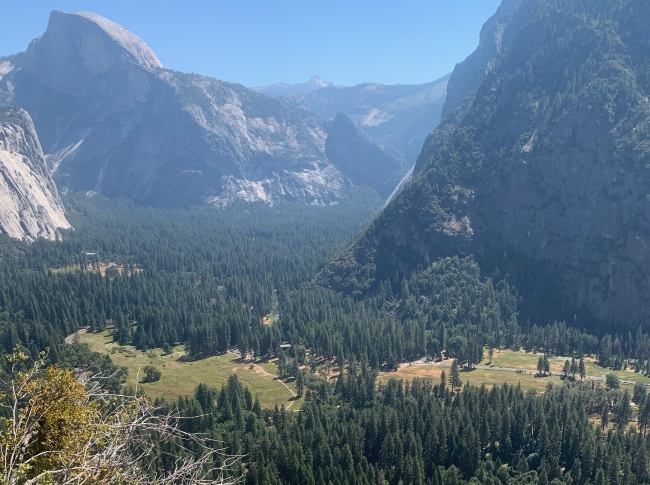
I can’t believe I almost said no, even though he is a friend worth showing up for.
The ball to show up is always in someone’s court.
Sometimes, it’s in both people’s court.
The only question that really matters is which person will show up.
And I have a feeling it’s going to be you.
Final Thoughts
Friendships don’t maintain themselves.
They take work.
They take reflection.
Friendship is going to cost you something.
But long-distance friendship doesn’t necessarily require constant contact.
It also doesn’t require you to pretend to be someone you’re not.
Sometimes it simply requires somebody to decide that the relationship is worth the inconvenience.
Friendship simply requires somebody to say:
“You’re worth the trip.”
